Exploring Water Technology Startups: How They Revolutionize Lasting Solutions
Water Technology start-ups are emerging as crucial gamers in the pursuit for lasting remedies to worldwide water issues. These firms utilize cutting-edge innovations to improve water performance and administration. Their contributions resolve pressing challenges such as deficiency and contamination. Nevertheless, despite their possibility, they deal with various challenges that could influence their success. Comprehending these characteristics drops light on the future of water sustainability and the role these start-ups may play fit it.
The Importance of Water Technology in Today's Globe
As worldwide water deficiency increases, the relevance of water Technology comes to be progressively obvious. Water Technology plays an essential function in addressing the difficulties posed by reducing fresh water resources and boosting demand. It includes a wide range of advancements, consisting of advanced filtering systems, wastewater therapy modern technologies, and wise irrigation options. These innovations not only improve the effectiveness of water use however additionally advertise sustainable practices across different markets, including agriculture, industry, and metropolitan growth.
In addition, the importance of water Technology extends beyond source administration. It cultivates strength versus climate modification influences, such as floods and droughts, by providing adaptive solutions for water conservation and administration. Furthermore, it sustains public health and wellness by making certain accessibility to tidy and risk-free alcohol consumption water. As the world deals with growing water-related challenges, the integration of cutting-edge water technologies is important for fostering sustainable development and safeguarding water schedule for future generations.
Innovative Solutions From Water Tech Startups
While standard techniques to water administration have offered their objective, a new age of water technology startups is transforming the industry with cutting-edge remedies (Water Technology Startups). These business leverage advanced technologies to resolve pushing water issues, such as scarcity, contamination, and ineffective distribution. Many start-ups use synthetic knowledge and artificial intelligence to maximize water use and forecast demand, resulting in even more sustainable techniques
Furthermore, several companies focus on creating sophisticated filtration systems that eliminate pollutants and make water secure for consumption. Others discover decentralized water treatment modern technologies, enabling areas to manage their water sources better. Additionally, some start-ups are pioneering clever irrigation remedies that reduce water waste in farming, promoting environmental preservation.
Instance Studies: Successful Water Technology Startups
Various water Technology start-ups have actually become leaders in dealing with worldwide water obstacles via ingenious techniques. One significant example is Xylem, which concentrates on water analytics and clever infrastructure to optimize water use and decrease waste. Their remedies have actually been implemented in various towns, demonstrating considerable enhancements in water monitoring performance.
Another successful start-up, Absolutely no Mass Water, has actually created solar-powered hydropanels that remove water vapor from the air, giving lasting alcohol consumption water in dry areas. Water Technology Startups. This Technology has actually been released in a number of countries, making sure neighborhoods have access to clean water
AquaVenture Holdings operates a varied profile of water-as-a-service remedies, addressing water deficiency via desalination and wastewater therapy. Their projects have confirmed essential in areas encountering serious water lacks, showcasing the potential of cutting-edge water modern technologies to produce long lasting, favorable effects. These situation studies highlight the transformative possibility of startups in the water Technology sector.
The Duty of Smart Technology in Water Administration
Smart Technology plays a vital role in modern water administration by leveraging IoT applications to optimize source usage. Information analytics improves efficiency by giving workable insights, while remote tracking solutions make it possible for real-time oversight of water systems. With each other, these advancements transform exactly how water is managed, advertising sustainability and operational efficiency.
IoT Applications in Water
As water deficiency and administration obstacles increase worldwide, the assimilation of Internet of Points (IoT) applications has become an essential service in maximizing water resources. IoT Technology assists in real-time surveillance and analysis of water supply, enabling more reliable use and administration. Sensing units deployed in numerous water facilities can track top quality, flow rates, and leak, providing important data to stakeholders. This information empowers customers and utilities to make informed decisions, lowering waste and improving conservation initiatives. In addition, smart irrigation systems use IoT to enhance water shipment for farming, guaranteeing that plants obtain the appropriate amount of water at the best time. Generally, IoT applications are changing typical water administration methods, cultivating sustainability and strength in water source systems.
Information Analytics for Efficiency
Taking advantage of information analytics is essential for enhancing efficiency in water management. Water Technology startups are progressively using innovative analytics to maximize source allowance and lower waste. By assessing information from different sources, these startups can identify patterns and trends that inform better decision-making. Predictive analytics can anticipate water need, enabling utilities to change supply as necessary, therefore lessening lacks and surpluses. Furthermore, real-time read the full info here data handling allows the instant detection of leakages and ineffectiveness within distribution systems, greatly minimizing functional prices. In addition, data-driven insights encourage stakeholders to carry out targeted preservation approaches, promoting sustainable techniques. Fundamentally, incorporating data analytics right into water management not only improves procedures however likewise advertises long-lasting sustainability in water source usage.
Remote Surveillance Solutions
While typical water administration systems often deal with inefficiencies, remote surveillance services are changing how water sources are managed. These ingenious modern technologies allow real-time information collection and evaluation, enabling stakeholders to check water quality, circulation prices, and usage patterns from afar. Using sensing units and IoT devices, remote tracking gives immediate insights that assist in aggressive decision-making. This shift not only enhances functional performance but likewise advertises sustainability by lowering water waste and optimizing resource allowance. In addition, remote tracking systems can recognize potential issues before they intensify, therefore minimizing the danger of contamination or framework failing. As water Technology start-ups remain to develop these services, the market is poised for considerable innovations in lasting water management practices.
Challenges Facing Water Technology Startups
Water Technology startups encounter considerable difficulties that can impede their growth and success. Secret problems include protecting adequate funding, maneuvering through complex governing settings, and completing in a jampacked industry. These barriers need tactical planning and development to overcome.
Funding and Financial Investment Challenges
Advancement in water Technology holds immense potential for attending to worldwide challenges, start-ups in this industry frequently encounter substantial funding and financial investment obstacles. Numerous capitalists stay cautious, regarding the water market as risky due to its complex regulatory landscape and lengthy growth timelines. In addition, startups commonly have a hard time to show instant profitability, which can hinder prospective backers. Traditional equity capital might overlook water modern technology, favoring fields with quicker returns, such as tech or customer goods. Protecting gives and government funding can be taxing and affordable, more complicating economic security. Consequently, lots of cutting-edge water Technology startups locate themselves in a precarious position, needing imaginative funding techniques to browse these economic barriers and accomplish their objectives
Governing Conformity Issues
Steering regulatory compliance is a substantial challenge for start-ups in the water Technology field, as they must grapple with a myriad of regional, national, and worldwide laws. These policies commonly incorporate water quality standards, environmental security legislations, and security methods, which can differ extensively throughout territories. Start-ups might locate it hard to browse this facility landscape, specifically when scaling procedures or getting in brand-new markets. The prices related to conformity can be significant, drawing away sources away from advancement and product development. Additionally, delays in obtaining needed licenses or accreditations can hop over to here prevent growth and market access. As a result, a robust understanding of regulative frameworks is vital for these startups to guarantee lasting procedures and prevent prospective legal repercussions.
Market Competitors Characteristics
As water Technology startups arise in an affordable landscape, they encounter many difficulties that can impede their development and development. Established companies often control the market, leveraging sources and experience to preserve their positions. Start-ups battle with minimal funding, which restricts r & d capacities, making it challenging to compete on Technology and prices. Additionally, the quickly developing nature of water modern technologies demands constant adaptation, more straining start-up sources. Regulative difficulties can complicate market access, as compliance with ecological standards is important yet costly. Lastly, attracting competent ability in a specific niche area presents one more barrier, as larger companies may use even more appealing employment plans. These aspects develop an intricate atmosphere for water Technology startups intending to be successful.
The Future of Water Technology and Sustainability
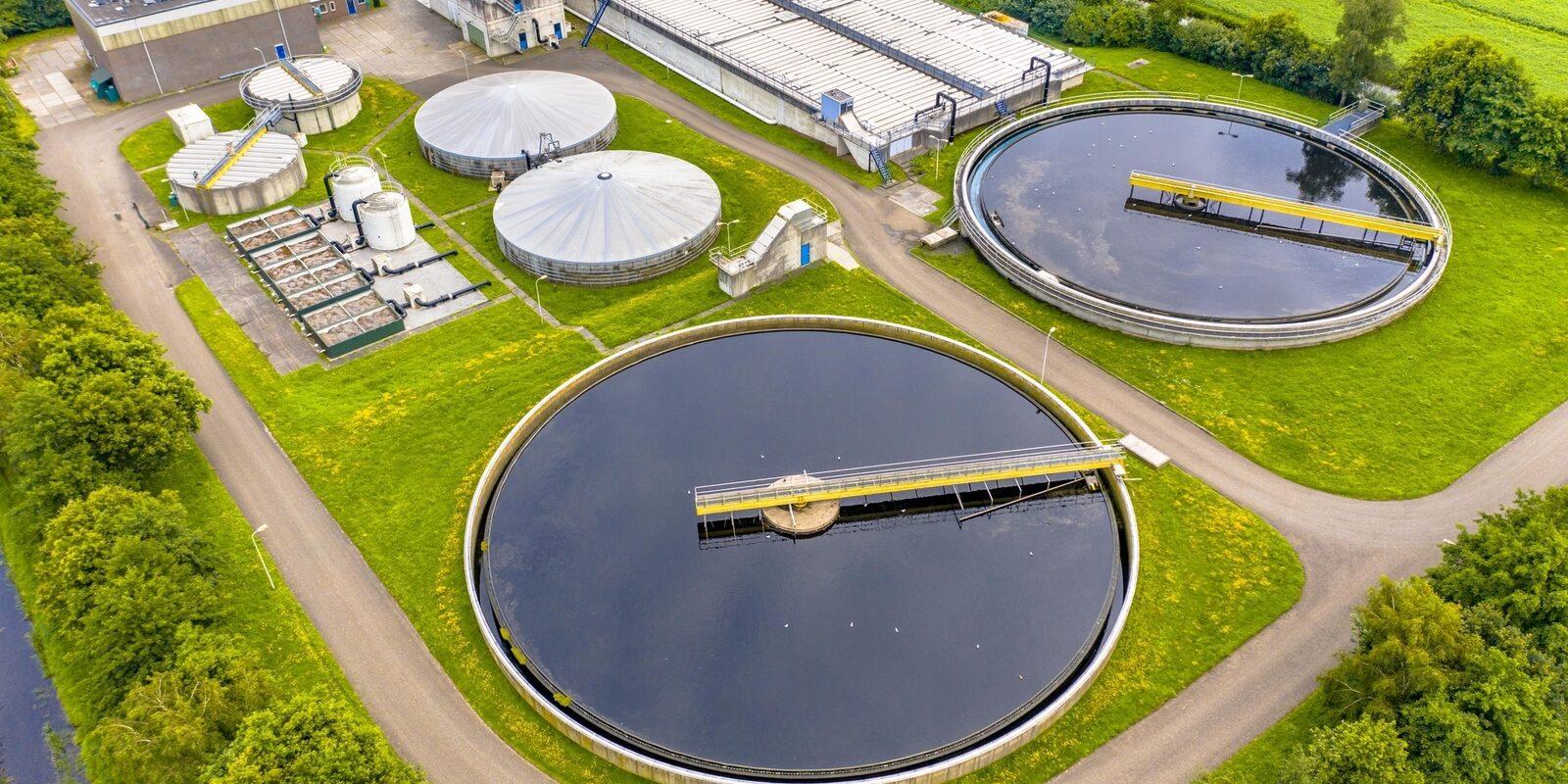
The future of water Technology will likely concentrate on integrating man-made knowledge and data analytics to maximize water circulation and usage patterns. By harnessing real-time information, business can predict scarcities and take care of sources better. Furthermore, lasting methods will end up being a cornerstone of the sector, motivating circular economic situations where water is reused and dealt with. Eventually, the continued development of water Technology will certainly be important in developing durable frameworks efficient in fulfilling the challenges postured by climate modification and population growth while advertising ecological stewardship.
Often Asked Inquiries
What Are the Key Metrics for Examining Water Technology Startups?
Key metrics for examining water Technology start-ups include market possibility, scalability, consumer acquisition prices, revenue growth, modern technology innovation, regulative conformity, ecological impact, affordable benefit, and group expertise, all vital for determining long-term feasibility and success.
Just How Can People Support Water Technology Innovations?
Individuals can sustain water Technology advancements by spending in startups, advocating for policy modifications, getting involved in community campaigns, sharing knowledge about sustainable methods, and advertising understanding of water concerns via neighborhood events and social media.
What Prevail Funding Sources for Water Tech Startups?
Common funding sources for water tech startups consist of financial backing, government grants, crowdfunding platforms, angel investors, and corporate collaborations. These economic methods aid promote technology and growth in lasting water monitoring innovations.

Which Industries Benefit Most From Water Technology Advancements?
Industries such as agriculture, power, production, and local services profit substantially from water Technology innovations. These advancements improve water efficiency, reduce expenses, and promote lasting methods, ultimately contributing to ecological conservation and resource monitoring.
Are There Any Governing Difficulties Certain to Water Technology?
Yes, water Technology deals with regulative challenges, consisting of compliance with ecological standards, allowing processes, and differing local regulations. These intricacies can impede innovation and reduce the implementation of brand-new innovations in the water management market.
Water Technology startups are arising as vital gamers in the quest for lasting solutions to worldwide water issues. As global water deficiency heightens, the importance of water Technology ends up being significantly obvious. Others discover decentralized water treatment modern technologies, allowing neighborhoods to manage their water sources extra properly. Another successful start-up, Zero Mass Water, has created solar-powered hydropanels that extract water vapor from the air, offering lasting alcohol consumption water in arid areas. Their tasks have shown crucial in regions dealing with serious water scarcities, showcasing the potential of innovative water modern technologies to develop lasting, positive effects.
Comments on “Water Technology Startups: How to Keep Up With Compliance Shifts”